Expert Dishwasher Repair in Natick, MA
Appliance Repair for Homes & Businesses in Natick, Sherborn, Massachusetts and Nearby Areas
Dishwasher Repair in Natick, Massachusetts, Appliance Repair Pros
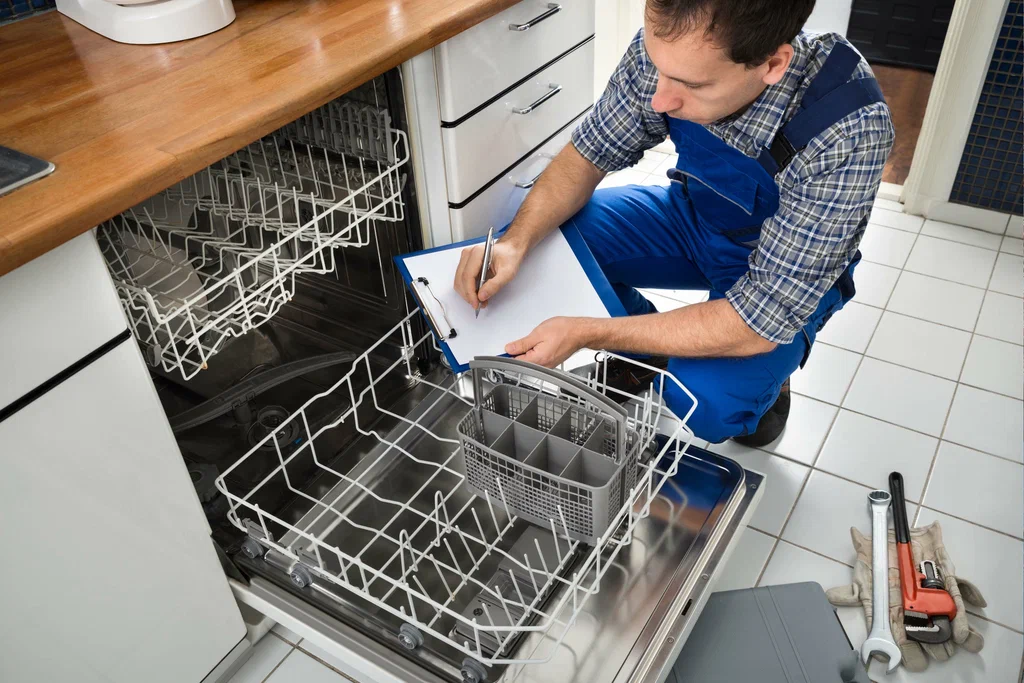
A broken dishwasher turns a convenient evening routine into a messy chore that piles up in the sink. At Appliance Repair Pros we provide focused and reliable dishwasher repair for homeowners throughout Natick and Sherborn. We understand that you rely on your kitchen appliances to run efficiently so you can manage your busy schedule. We service all major dishwasher configurations including standard built in units and integrated panel ready models and drawer style dishwashers. From the modern condos in West Natick to the historic single family homes in Sherborn and South Natick we have the expertise to get your kitchen running smoothly again.
Our local technicians are familiar with the specific challenges that affect appliances in our area such as how hard water mineral buildup can impact cleaning performance over time. We approach every job with a commitment to meticulous testing to find the actual source of the failure rather than just swapping parts. We treat your home with the utmost respect by keeping our work area tidy and protecting your floors from water or scratches. You can count on us for honest communication and dependable scheduling that respects your time. Contact us today.
Dishwasher Repair Services in Natick
Modern dishwashers are complex machines that must coordinate water pressure and heating elements and electronic sensors to clean and sanitize your dishes. When one component fails the entire cycle is compromised. We provide comprehensive repair services that cover mechanical failures and electronic glitches and plumbing issues. Whether you have a quiet European model or a heavy duty domestic unit we have the tools and training to address the problem.
Dishwasher systems we work on:
- Standard built in stainless steel or colored units
- Integrated panel ready dishwashers that match cabinetry
- Portable dishwashers on wheels
- Compact or apartment sized units
- Double drawer dishwashers
- High efficiency smart dishwashers with Wi-Fi connectivity
- Sanitize cycle and heavy duty wash units
What makes dishwasher repair tricky:
- Water and electricity proximity requires careful safety handling
- Hidden leaks can damage subflooring before they are noticed
- Electronic control boards are sensitive to moisture and surges
- Circulation pumps and drain pumps must work in perfect sequence
- Sensors for soil level and temperature can give false readings
- Diverter valves that direct water to different racks often jam
- Door springs and latch mechanisms must be perfectly aligned
Common Dishwasher Problems We Fix
Dishes come out dirty or covered in residue
The most common complaint we hear is that the dishwasher runs through a full cycle but the dishes are not clean. You might see food particles stuck to plates or a gritty film on your glassware. This defeats the purpose of the machine and wastes water and energy. In Natick hard water deposits can clog spray arm holes which significantly reduces the water pressure needed to blast away food.
Likely causes:
- Clogged spray arm holes restricting water flow
- Broken or blocked chopper blade assembly
- Degraded detergent dispenser not opening
- Inlet valve not letting enough water into the tub
- Circulation pump impeller is damaged or worn
- Hard water mineral buildup on internal components
How we diagnose it
We start by checking the water level inside the tub to ensure the unit is filling correctly. We inspect the spray arms for debris and verify they spin freely. We also examine the filter system and the food chopper for blockages. We test the wash motor to ensure it is generating enough pressure to reach the top rack.
What you can do right now
Remove the bottom rack and check the filter at the base of the tub for large debris like broken glass or bones. Check the holes in the spray arms and use a toothpick to clear any visible clogs. Run a cleaning cycle with a dishwasher cleaner to remove mineral buildup.
Dishwasher is not draining water
Opening your dishwasher to find a pool of grey standing water at the bottom is unpleasant and unsanitary. If the water does not drain it can lead to odors and potential leaks. This issue is often caused by a blockage in the drain path but it can also indicate a failure of the mechanical pump that pushes the water out to your sink drain or disposal.
Likely causes:
- Clogged drain filter or sump area
- Obstruction in the drain hose
- Failed drain pump motor
- Broken check valve allowing water to return
- Blockage in the garbage disposal knock out plug
- Electronic control not sending power to the pump
How we diagnose it
We listen to the pump during the drain cycle to hear if it is humming or grinding. We inspect the drain hose for kinks or clogs especially where it connects to the sink plumbing. We test the pump motor for continuity and inspect the impeller for damage. We also check the check valve to ensure dirty water is not backflowing into the machine.
What you can do right now
Clean out the filter basket at the bottom of the tub. Check your kitchen sink drain to make sure it is not clogged. If you have a garbage disposal run it to ensure it is clear. Make sure the drain hose loop under the sink is elevated to prevent backflow.
Water leaking onto the kitchen floor
A leaking dishwasher is a serious issue that can cause significant damage to your kitchen floor and cabinetry and the ceiling below. Leaks can be slow drips that go unnoticed for weeks or sudden puddles during a cycle. In older Natick homes with original wood flooring responding quickly to leaks is vital to preserving the home.
Likely causes:
- Worn or torn door gasket seal
- Loose hose connections or cracked hoses
- Leaking water inlet valve
- Cracked pump housing or tub
- Door alignment issues or bent hinges
- Using the wrong type of detergent causing suds
How we diagnose it
We remove the kickplate and use a flashlight to inspect underneath the unit while it runs a cycle. We look for water dripping from the pump or hoses or the float switch. We inspect the door seal for rips or compression issues. We also check the water inlet valve which can crack from water pressure spikes.
What you can do right now
Check the door seal for any food debris that might prevent a tight close. Verify you are using automatic dishwasher detergent and not regular dish soap which creates excessive suds that force water out. If the leak is active turn off the water supply valve under the sink.
Dishwasher will not start
It is frustrating when you load the dishwasher and press the start button but nothing happens. The control panel might be dark or the lights might be on but the cycle refuses to begin. This can be a simple safety feature engaging or a more complex electronic failure within the main control board.
Likely causes:
- Door latch or switch is broken
- Thermal fuse has blown due to overheating
- Main control board failure
- User interface or touchpad ribbon cable issues
- Tripped circuit breaker
- Child lock setting is activated
How we diagnose it
We test the door switch to ensure it signals the control board that the door is safely closed. We check for power at the junction box and inspect the thermal fuse for continuity. We examine the control board for burn marks or loose connections. We also test the user interface to see if the buttons are responding to touch.
What you can do right now
Check your home circuit breaker panel to see if the dishwasher breaker has tripped. Ensure the door is latched firmly. Look closely at the control panel to see if a “Control Lock” or “Child Lock” light is illuminated and try holding the button to unlock it.
Dishes are not drying
If your dishes are soaking wet at the end of the cycle you are forced to dry them by hand which adds time to your chores. Modern energy efficient dishwashers rely on residual heat and rinse aids more than the intense heating elements of the past but they should still produce dry dishes. Plastic items are naturally harder to dry but glass and ceramic should come out dry.
Likely causes:
- Burned out heating element
- Malfunctioning vent fan assembly
- Rinse aid dispenser is empty or broken
- High limit thermostat cut off the heat
- Control board relay failure
- Loading issues preventing airflow
How we diagnose it
We test the heating element for continuity to see if the electrical path is broken. We inspect the high limit thermostat which is a safety device that cuts power if the unit gets too hot. We check the rinse aid dispenser mechanism. We also verify that the vent fan opens and runs during the drying cycle to exhaust humid air.
What you can do right now
Refill the rinse aid dispenser as this is essential for drying in modern machines. Use the “Heated Dry” or “Sanitize” option if available. Try opening the door slightly right after the cycle ends to let the steam escape which helps flash dry the dishes.
Dishwasher is making loud or strange noises
While no dishwasher is silent it should run with a consistent hum and the sound of swishing water. If you hear grinding or thumping or high pitched squealing it indicates a mechanical problem. Ignoring these sounds often leads to a complete failure of the motor or pump components.
Likely causes:
- Debris stuck in the chopper blade or pump impeller
- Worn wash motor bearings
- Drain pump failure
- Spray arm hitting dishes or the rack
- Water hammer in the inlet pipes
- Loose mounting brackets allowing vibration
How we diagnose it
We identify when in the cycle the noise occurs to determine if it is the drain pump or the wash motor. We inspect the pump housing for foreign objects like fruit pits or glass shards. We spin the spray arms by hand to check for clearance. We also check the leveling legs to ensure the unit is stable.
What you can do right now
Open the door and spin the spray arms to make sure they are not hitting a tall plate or a utensil sticking out of the basket. Check the bottom of the tub for any loose items like spoons or bones that might be rattling around.
Cycle runs too long
If your dishwasher takes four or five hours to complete a cycle it is often a sign that it is struggling to heat the water or sense the soil level. While energy efficient cycles are longer than older machines excessive run times indicate a malfunction. This wastes electricity and keeps you waiting for clean dishes.
Likely causes:
- Heating element is weak or broken
- Thermostat or temperature sensor failure
- Soil sensor is dirty or malfunctioning
- Cold water entering the unit excessively
- Clogged filters restricting water circulation
- Control board timer failure
How we diagnose it
We check the temperature of the water inside the tub. If the water is not reaching the target temperature the cycle will extend indefinitely while it waits. We test the heating element and the thermistor. We also clean and test the optical soil sensor to ensure it can see when the water is clean.
What you can do right now
Run the hot water at your kitchen sink until it is hot before starting the dishwasher. This primes the line so the machine starts with hot water. Clean the sensors inside the tub with a soft cloth and vinegar to remove any film.
Soap dispenser does not open
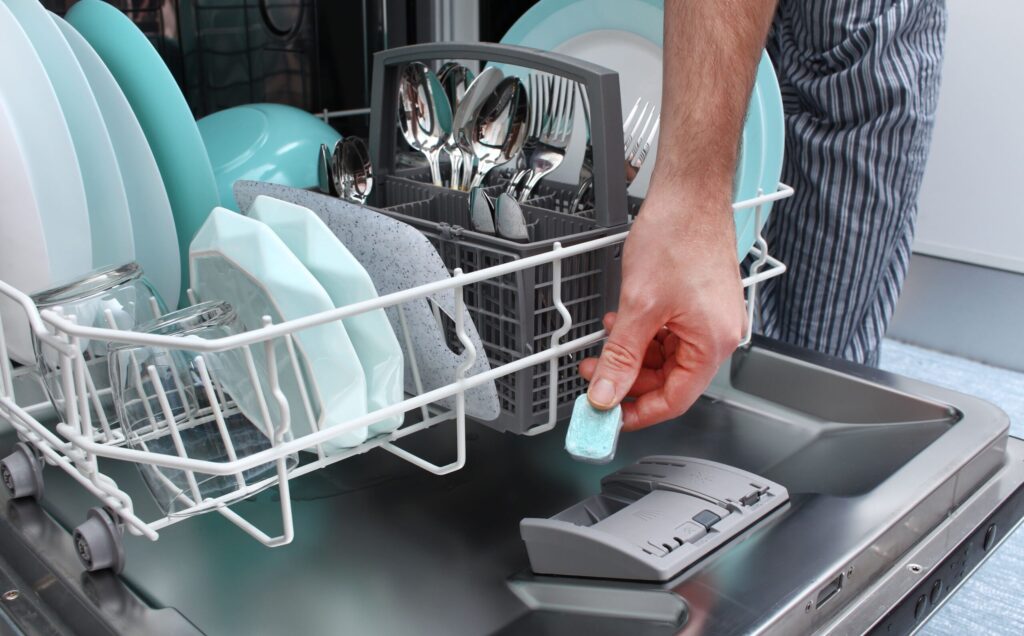
Opening the door to find a dissolving detergent pod or a clump of powder still in the cup means your dishes were just rinsed with water. The dispenser operates on a spring and latch mechanism triggered by the control board or a wax motor. If this timing is off or the mechanism is jammed the soap never enters the wash.
Likely causes:
- Broken dispenser spring or latch
- Wax motor failure
- Dishes blocking the dispenser door
- Detergent residue gumming up the slide
- Control board signal failure
- Warped dispenser door
How we diagnose it
We inspect the dispenser assembly for physical damage or sticky residue. We test the actuator or wax motor that triggers the door to open. We also check the wiring harness connecting the dispenser to the main control board.
What you can do right now
Make sure the dispenser cup is dry before adding powder. Check that no tall plates or cutting boards are placed in the lower rack directly in front of the dispenser door which would block it from flipping open.
Safety Notes for Dishwasher Issues
Dishwashers combine electricity and water which creates unique safety risks when they malfunction. A DIY repair attempt without proper precautions can lead to injury or property damage. We recommend exercising caution if you notice any of the following symptoms.
- If you see active leaking or standing water: Slipping is the most immediate hazard. Place towels down immediately. If the leak is coming from the supply line turn off the water shutoff valve under the kitchen sink. Do not walk in standing water while the appliance is plugged in or running.
- If you smell burning plastic or electrical odors: Stop the cycle immediately by pressing the cancel/drain button if safe to do so. If the smell persists or you see smoke go to your home circuit breaker panel and flip the breaker labeled “Dishwasher” to the OFF position. Do not use the machine until it has been inspected.
- If you suspect a short circuit: If the dishwasher trips the breaker repeatedly do not keep resetting it. This indicates a serious electrical fault such as a shorted heating element or water contact with live wires. Forcing the breaker to stay on can cause a fire.
- If you see mold or mildew: Black or pink growth inside the tub can be a health hazard. This usually happens in units that do not drain properly or have failing door seals. Wear gloves and clean visible areas but be aware that mold may be inside the pump system requiring professional cleaning or part replacement.
Brands We Service for Dishwasher Repair in Natick
We have experience with the wide range of dishwasher brands found in Natick homes. From the high end European models in renovated Sherborn estates to the reliable domestic brands in local condos we understand the engineering differences that make each brand unique.
Whirlpool family and similar designs (Whirlpool, Maytag, KitchenAid, Amana)
These are some of the most common dishwashers we encounter. They are generally reliable but often share similar pump and motor designs. KitchenAid models often feature advanced filtration and extra scrub zones that require specific maintenance.
- Pump motor failure preventing wash pressure
- Control board relay issues
- Plastic adjusters on the upper rack breaking
- Chopper blade assembly stripping out
- Door vent fan failures affecting drying
Correct diagnosis is key here because many of these brands use interchangeable parts but have different electronic programming.
GE family (GE, Hotpoint, and related lines)
GE dishwashers are known for their hard food disposer systems and powerful heating elements. They often have specific wiring configurations and service modes that allow us to test components individually.
- Electronic control board unresponsiveness
- Heating element burnout
- Float switch sticking causing overfill or no fill
- Door latch sensor failures
We are familiar with the specific “service mode” entry codes for GE units which helps us pinpoint sensor failures quickly.
Samsung and LG
These brands have introduced significant innovation into the market including linear wash systems and storm wash technologies. They are heavily reliant on electronics and sensors which can be sensitive to voltage irregularities.
- LE or OE error codes related to water leaks or draining
- Main PCB (printed circuit board) failures
- Water inlet valve solenoids failing
- Drain pump noise and vibration
Repairing these units requires a strong understanding of digital error codes and multimeter testing of low voltage sensor circuits.
Bosch and Thermador
These European brands are very popular in Massachusetts for their quiet operation and water efficiency. They use a completely different system for heating water often integrated into the wash pump and rely on condensation drying rather than a heating element.
- Drain pump blockages due to smaller tolerances
- Water inlet failures
- Circulation pump (heat pump) failure
- Door spring tension issues
Because these units do not have a traditional heating element at the bottom diagnostics must focus on the flow through heater and the complex sensor system.
Frigidaire and Electrolux
These units often feature orbital spray arms and specific wash zones. They are generally simpler to service mechanically but can have issues with the main wash motor assembly.
- Wash motor failure where it hums but does not spin
- Door seal leaks
- Upper spray arm tube disconnecting
- Control board interface issues
We frequently see wash motor capacitors fail on these models which is a straightforward repair if caught early.
Understanding Common Dishwasher Error Codes
Modern dishwashers use digital displays to alert you when something is wrong. While these codes are helpful they point to the symptom not necessarily the root cause. A “drain error” could be a bad pump a clog or a bad sensor.
- iE or 1E: Inlet Error. The machine is not getting enough water usually due to a valve or supply line issue.
- OE or 5E: Outlet Error. The machine cannot drain the water. Often a clog or pump failure.
- LE or LC: Leak Error. The moisture sensor in the base pan has detected water.
- HE or tE: Heating Error. The water is not reaching the correct temperature suggesting a heater or thermistor issue.
- 4E: Water Supply Error. Similar to inlet error often points to the water supply being turned off or blocked.
- PF: Power Failure. The unit lost power during the cycle.
- CE: Communication Error. The main board cannot talk to the display panel.
- dH: Drain Height. The drain hose is not positioned correctly causing siphoning.
Maintenance Tips for Dishwasher Owners in Natick
Keeping your dishwasher running smoothly involves a few simple habits. In Natick and Sherborn where hard water can be a factor these steps are even more important to prevent mineral buildup from damaging the internal components.
- Clean the filter weekly: Most modern dishwashers have a manual filter at the bottom. Remove it and rinse it under the sink to remove trapped food particles and grease.
- Run a cleaning cycle with vinegar: Once a month place a cup of white vinegar in a bowl on the top rack and run a hot cycle. This helps break down hard water deposits and removes odors.
- Inspect spray arms: Check the holes in the spray arms for seeds or debris. Use a toothpick to clear them so water can flow freely.
- Load correctly: Do not block the spray arms with tall items. Place bowls facing down and slightly angled so water does not pool in them.
- Use the right detergent: Use high quality detergent pods or powder. Avoid cheap gels which can leave a gummy residue. Use rinse aid to help with drying and spot prevention.
- Run the hot water first: Run the kitchen sink faucet until the water is hot before starting the dishwasher. This ensures the first fill is hot which dissolves detergent better.
- Leave the door ajar: When the dishwasher is not in use leave the door slightly open to allow air circulation and prevent mold growth.
- Check the drain gap: If you have an air gap on your sink counter make sure it is not clogged. If you have a high loop under the sink ensure the hose stays elevated.
Service Area for Dishwasher Repair in and Around Natick, Massachusetts
We are proud to serve our local community with fast and efficient repair services. We cover Natick and the immediate surrounding towns ensuring that we can get to your home quickly when you need us.
- Natick Center
- West Natick
- South Natick
- Felchville
- Sherborn
- Wethersfield
- Little South
- Oak Street Area
Zip codes we serve: 01760, 01770
Frequently Asked Questions
Is it worth repairing a 10 year old dishwasher?
This depends on the brand and the issue. High end models like Bosch or Miele are often worth repairing even at that age. However if a standard unit requires a major repair like a main motor or control board replacement it might be more cost effective to replace it. We provide an honest assessment so you can decide.
Why is my dishwasher leaving a white film on glasses?
This is usually caused by hard water minerals in the Natick water supply. It can also be a sign that you are not using rinse aid or that your water temperature is too low. We can check your water hardness setting on the machine and recommend the best detergent usage to prevent this.
How long does a typical dishwasher repair take?
Most repairs are completed in less than an hour once we arrive. We carry common parts like pumps valves and fuses on our trucks. If we need to order a specialty part like a specific control board we can usually get it within a few days and return to finish the job.
Do I need to clean my dishes before putting them in the dishwasher?
You should scrape off large food scraps but you do not need to pre wash them. Modern dishwashers and detergents contain enzymes that need food soil to work effectively. Pre washing can actually lead to etching on glassware because the detergent is too aggressive without food to act on.
Why does my dishwasher smell bad?
Odors are usually caused by trapped food in the filter or drain hose. It can also be caused by grease buildup in the door seal. Running a cleaning cycle with a dishwasher cleaner or vinegar and physically cleaning the filter usually solves this. If the smell is like rotten eggs it could be a sewer gas issue related to the drain connection.
Can you fix integrated panel ready dishwashers?
Yes we service integrated models where the dishwasher is hidden behind a cabinet panel. These require extra care during removal and reinstallation to ensure the cabinet panel is not damaged and the door springs are adjusted correctly for the weight of the wood.
What should I do before the technician arrives?
Please ensure there is a clear path to the kitchen. If the dishwasher is full of dishes you can leave them unless the issue is related to drainage in which case removing them helps us access the filter. Keep pets secured away from the work area for their safety.
Why is my dishwasher leaking from the bottom of the door?
This is often due to a worn lower door seal but it can also be caused by a wave action inside the tub if the spray arm is split. Another common cause is excessive sudsing from using the wrong soap which expands and pushes water past the seal.
Do you have a dishwasher repair service near me that works on Saturdays?
We do offer convenient scheduling options including some weekend availability to accommodate busy homeowners in Natick and Sherborn. Please reach out to us to check our current schedule openings.
Why is my dishwasher skipping cycles?
If the machine skips the wash or rinse cycle it usually points to a control board glitch or a sensor failure. If the thermal limit switch trips it might skip the heating cycle. We can run a diagnostic mode to see which step caused the error.
What happens if you find water damage under the dishwasher?
If we discover water damage to the floor during our repair we will document it for you. We are appliance repair specialists so while we can fix the leak to prevent further damage you would need a flooring contractor or restoration specialist to repair the subfloor or wood.
Can hard water damage my dishwasher?
Yes mineral buildup can clog valves and heater elements and spray arms. In areas with hard water we recommend using a rinse aid and performing regular descaling cleaning cycles to extend the life of the machine.
Conclusion
A reliable dishwasher is essential for a clean and organized kitchen. At Appliance Repair Pros we are dedicated to providing Natick and Sherborn homeowners with professional high quality repair services. We take the time to diagnose the root cause of the problem whether it is a simple clog or a complex electronic failure. Our goal is to extend the life of your appliance and save you the hassle of replacement. Reach out to us for assistance.